|
Els Stronks
|
|

This essay presents observations on the distinctiveness of Protestant and Catholic literary practices and identities in the seventeenth-century Dutch Republic.
|
|
Michael Zell
|
|

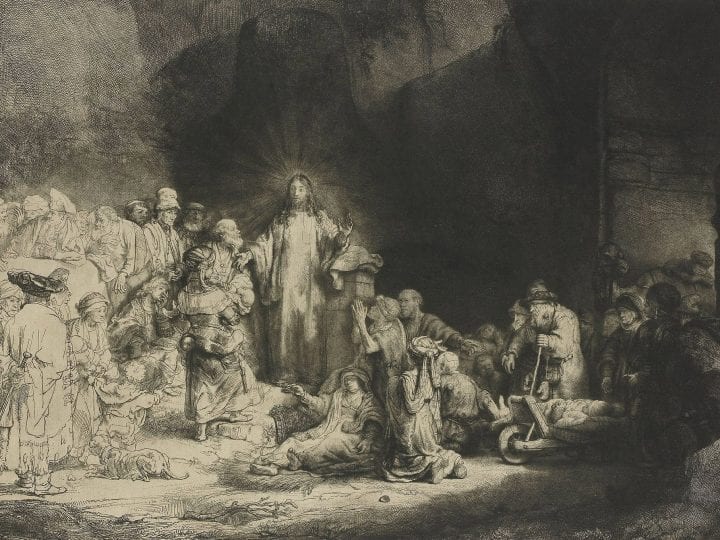
This study explores the applicability of Actor-Network-Theory, a recent paradigm of social theory, to the investigation of Rembrandt’s relations with patrons and collectors.
|
|
Virginie Spenlé
|
|

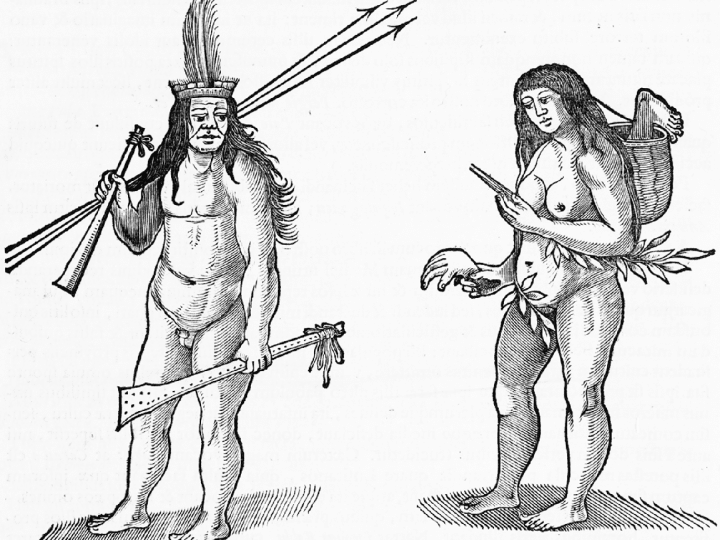
Focusing on a hitherto unknown coconut cup from Dutch Brazil, this essay discusses Count Johan Maurits of Nassau-Siegen’s strategy for enhancing his reputation as governor-general of Brazil through collecting exotic objects; it also argues that such examples of “brasiliana” underwent a connotational paradigm shift in the hands of later owners.
|
|
Renée Kistemaker
|
|
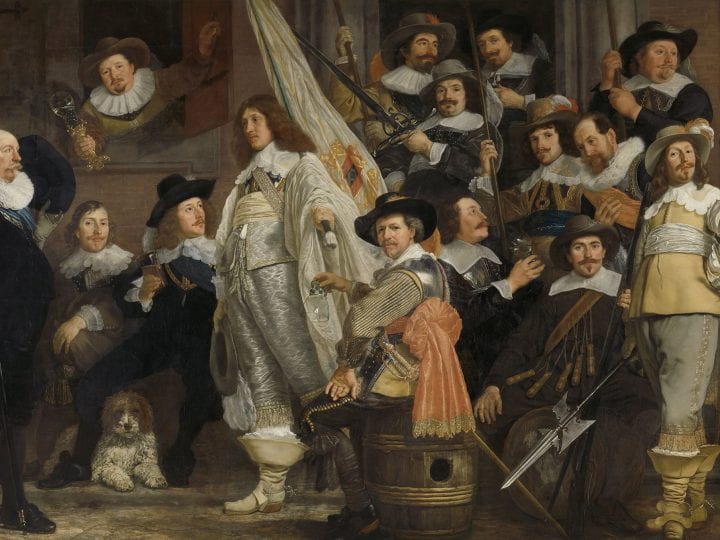
Between 1876 and 1884, prior to the opening of the new Rijksmuseum in Amsterdam, tensions arose between those who saw the conservation and presentation of the city’s art and historical collections as a matter of local pride and those whose goal for these objects was to place them in a context that furthered national ambitions.
|