JHNA Home Past Issues Volume 1: Issue 2
Volume 1: Issue 2 (2009)
Editors' Greeting
 
Privileged Piety: Melancholia and the Herbal Tradition
Laurinda S. Dixon   

Fig. 1 Aertgen van Leyden, Saint Jerome, 1520, oil on panel, 48 x 38 cm. Rijksmuseum, Amsterdam, inv. no. SK-A-3909, on loan to the Stedelijk Museum de Lakenhal, Leiden, inv. no. SK-A-3903 (artwork in the public domain)

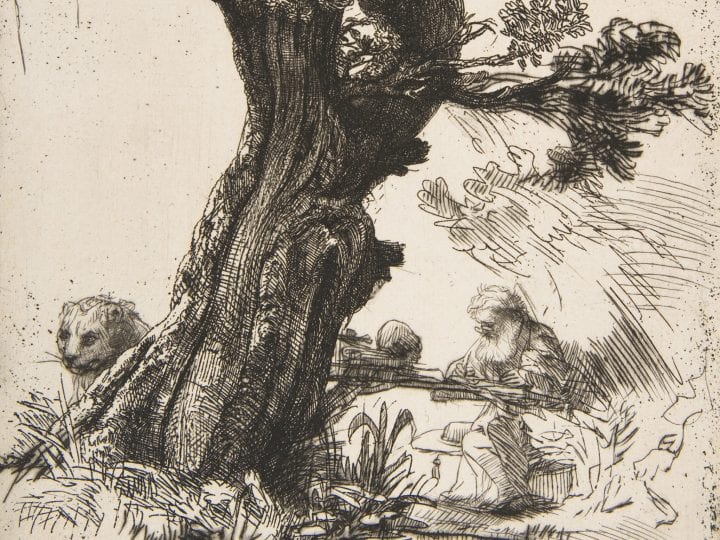
This article is concerned with melancholia, a disease of fashion in the early modern era, which was associated with qualities of genius, privilege, and piety. Focusing on melancholia's contradictory humoral qualities, which instigated both heightened inspiration (heat) and depressed spirits (cold), this study maintains that artists exercised calculated iconographical choices in depictions of hermits and scholars, both melancholic archetypes. Specifically, painters reinforced medical tradition by the knowing use of botanical imagery to suggest melancholia's ambivalent nature and the necessity of achieving humoral balance in its cure.

 
Was Hendrick ter Brugghen a Melancholic?
Marten Jan Bok   

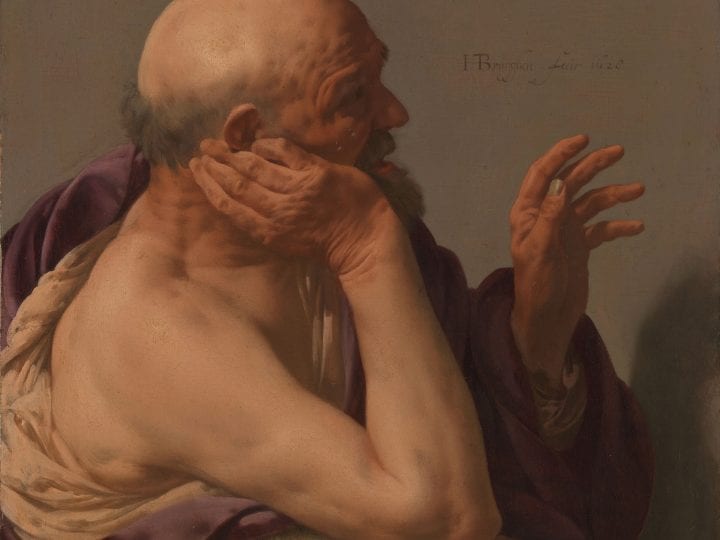
This article discusses the characterization of the Utrecht painter Hendrick ter Brugghen as a 'melancholic' by his contemporary and fellow artist Joachim Sandrart and investigates how this bear on our understanding of Ter Brugghen's art and personality.

 
A New Attribution for the Antwerp Anatomy Lesson of Dr. Joannes van Buyten
Beatrijs Wolters van der Wey   

Taking into account archival, historical, stylistic, and iconographical considerations, the author concludes that the Anatomy Lesson of Dr. Joannes van Buyten (Koninklijk Museum voor Schone Kunsten, Antwerp), commonly attributed to Huibrecht Sporckmans and dated 1660, was in fact painted by Frans Denys in 1648.

 
On Brabant Rubbish, Economic Competition, Artistic Rivalry, and the Growth of the Market for Paintings in the First Decades of the Seventeenth Century
Eric Jan Sluijter   

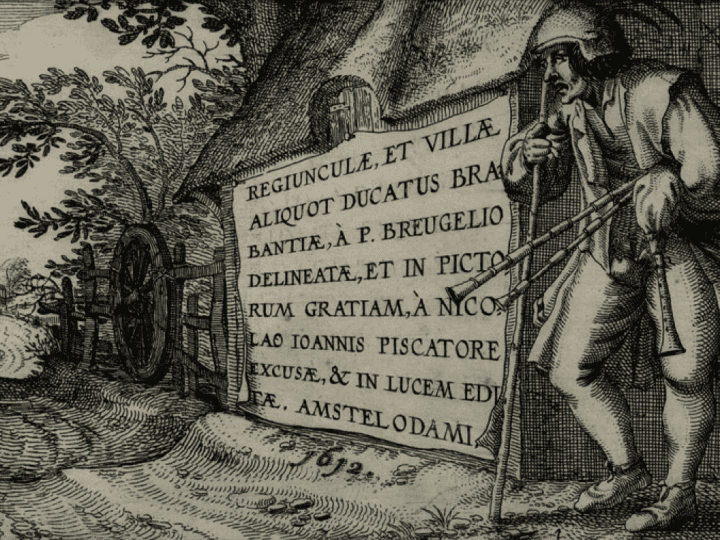
Observations on how and why Holland experienced a spectacular increase in the number of painters and the production of paintings from 1610 on.  The author also discusses the technical changes, the economic competition, and the artistic emulation related to this increase.