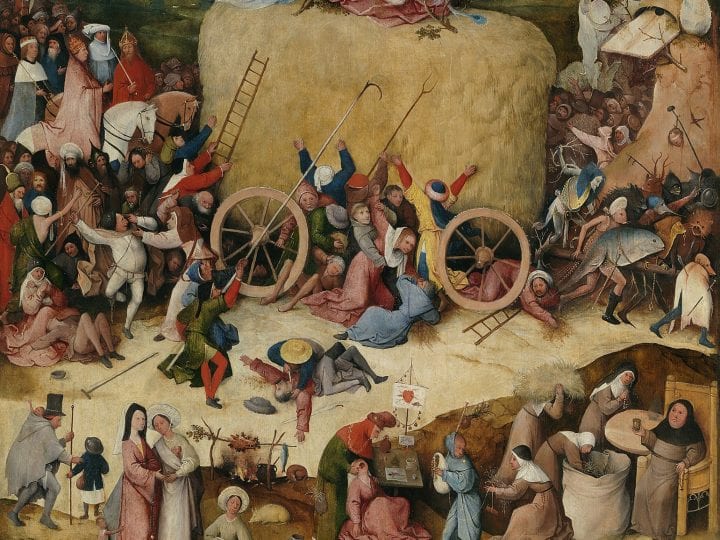
This inaugural issue of the Journal of the Historians of Netherlandish Art was dedicated to the memory of Dr. Carol Purtle.
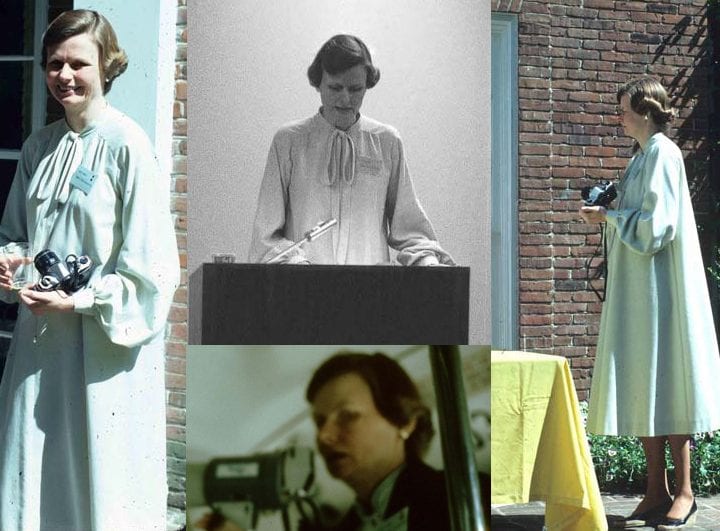
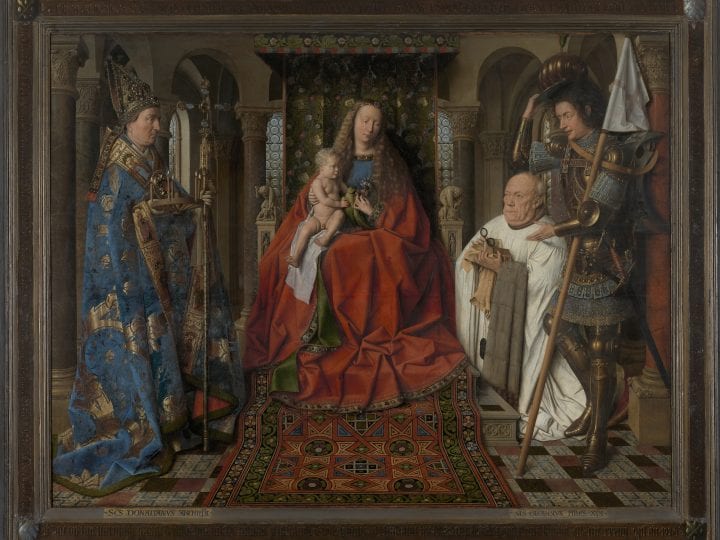
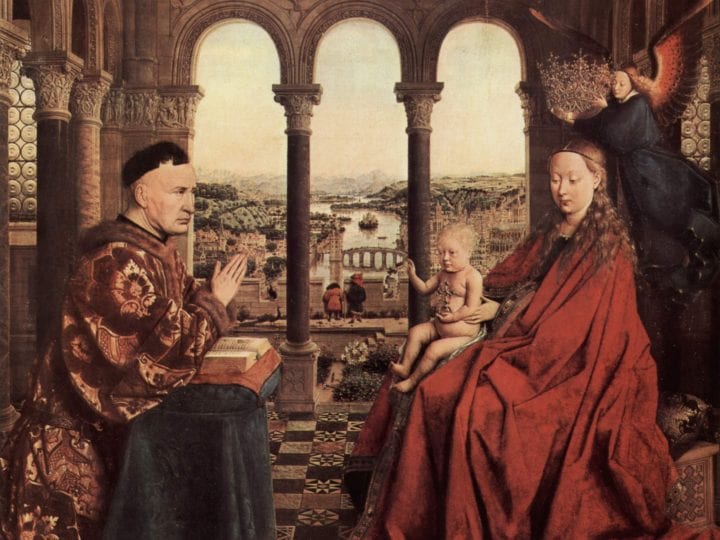
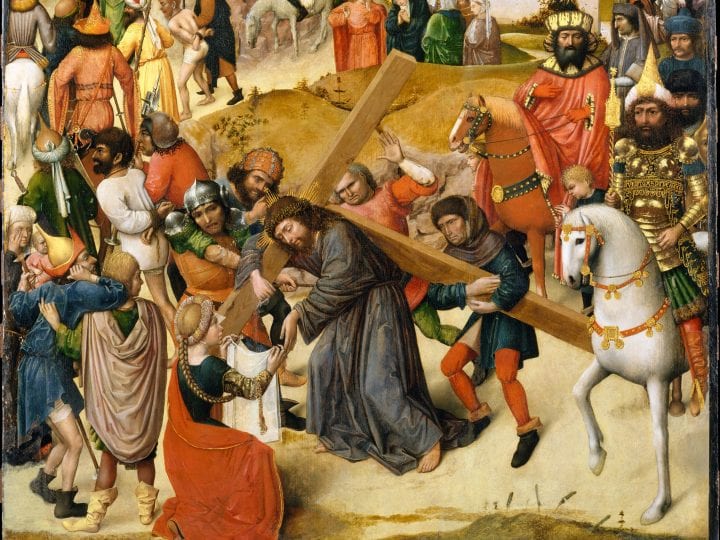
This inaugural issue of the Journal of the Historians of Netherlandish Art is dedicated to the memory of Dr. Carol Purtle. Her death on December 12, 2008, just months after retiring as the Benjamin W. Rawlins Jr. Meritorious Professor at the University of Memphis, caught most of her colleagues and friends by surprise. More than anyone else, Carol was the catalyst for the establishment of Historians of Netherlandish Art, and its first president. Anne Lowenthal's tribute in this issue recounts Carol's role in the early history of our organization. A detailed obituary may be found on-line in the HNA Newsletter 26 (April 2009), pp. 2-3 (www.hnanews.org). In crafting the first issue, the editors decided to focus on Netherlandish painting of the fifteenth and early sixteenth centuries, the subject of Carol's passionate intellectual engagement and many publications. She spent much of her career investigating Jan van Eyck, Rogier van der Weyden, and other early Flemish masters. It is our hope that these essays appropriately honor Carol.