JHNA Home Past Issues Volume 3: Issue 1
Volume 3: Issue 1 (2011)
Editors' Greeting
Editors   
 
Jan van Eyck's Dresden Triptych: new evidence for the Giustiniani of Genoa in the Borromei ledger for Bruges, 1438
Noëlle L.W. Streeton   

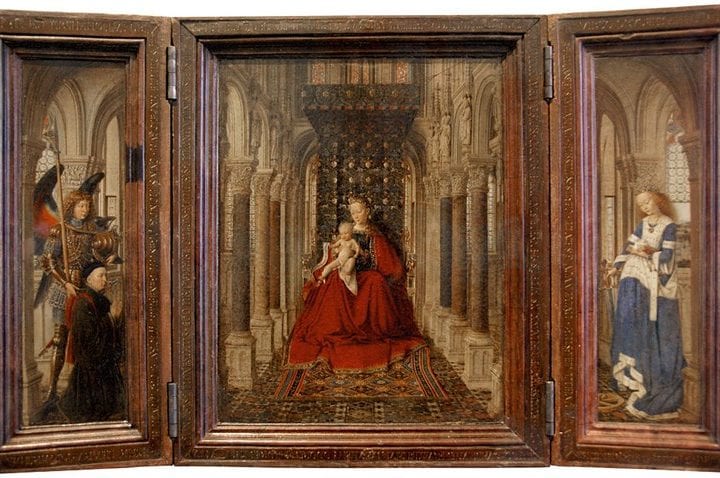
Fig. 1 Jan van Eyck, Virgin and Child with Saints Catherine and Michael and a Donor (the Dresden or Giustiniani Triptych), 1437, oil on oak panel, 33.1 x 27.5 cm (center panel), 33.3 x 13.6 cm (wings). Staatliche Kunstsammlungen, Dresden, Gemäldegalerie Alte Meister, inv. no. 799 (artwork in the public domain)


Details of the financial dealings of the Giustiniani family of Genoa have recently been discovered in the Borromei ledger for Bruges for 1438. These offer a new angle on the potential connection between the Giustiniani and the Bruges workshop of Jan van Eyck.

 
Albrecht Dürer's Peasant Engravings: A Different Laocoön, or the Birth of Aesthetic Subversion in the Spirit of the Reformation
Jürgen Müller   

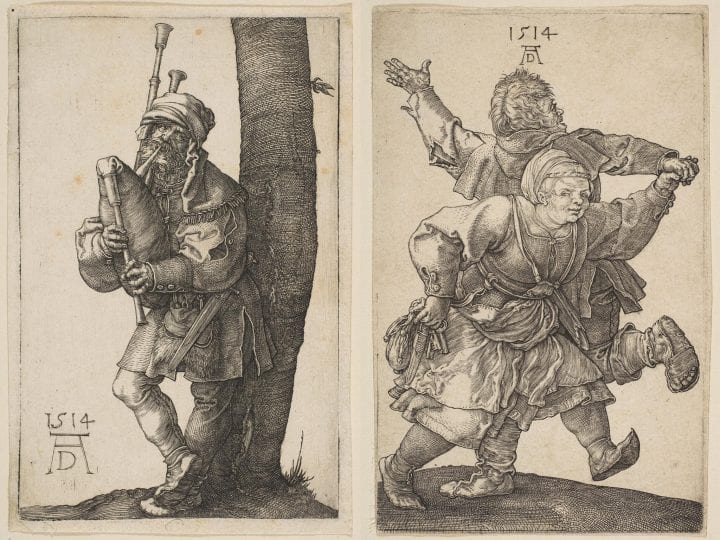
Fig. 2 Albrecht Dürer, Peasant Couple Dancing, 1514, engraving, 11.7 x 7.5 cm. Metropolitan Museum of Art, New York (artwork in the public domain).


This article argues that Albrecht Dürer’s three engravings of peasants from the years 1514 and 1519 witness the artist’s invention of “inverse citation,” a method of imitation that Dürer developed in reaction to criticism he received from Italian artists during his second trip to Italy, 1505-06.

 
Producing the Vernacular: Antwerp, Cultural Archaeology and the Bruegelian Peasant
Stephanie Porras   

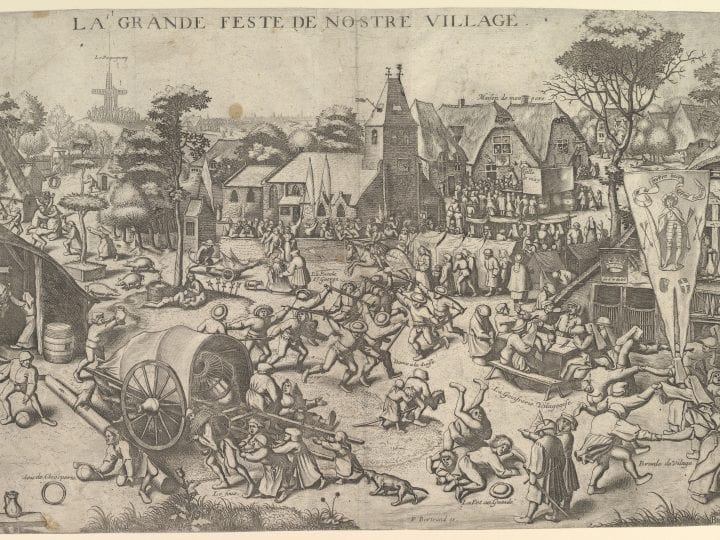
Fig 3. Johannes and Lucas van Doetecum (after Pieter Bruegel), Kermis at Hoboken, 1559, engraving, 32.7 x 51.6 cm, London, British Museum

 This article links the representation of the Netherlandish peasant in sixteenth-century histories and collections of customs to the peasant imagery of Pieter Bruegel the Elder, arguing that the figure of peasant was seen in both text and image as an embodiment of local history, central to the production of a unique vernacular cultural identity.  Bruegel, archaeology, peasant, history, Batavia, Netherlands, Ortelius, antiquity, vernacular

 
Envisioning Netherlandish Unity: Claes Visscher's 1612 Copies of the Small Landscape Prints
Alexandra Onuf   

 
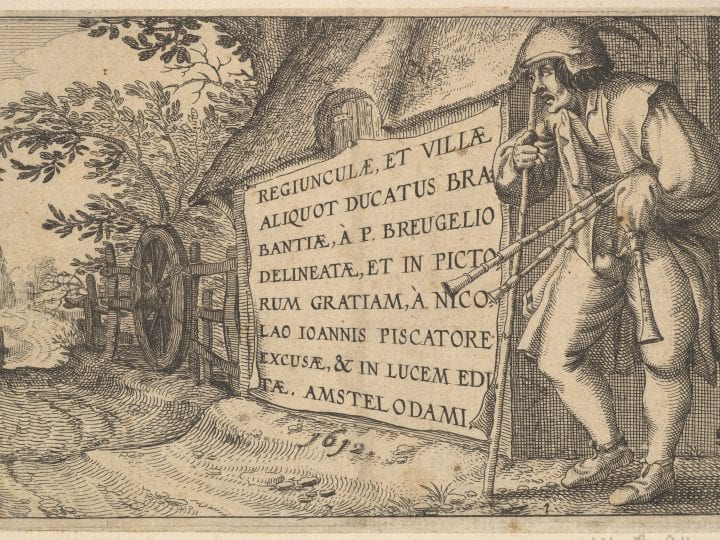
This article considers the retrospective associations for seventeenth-century Dutch audiences of Claes Jansz. Visscher’s 1612 copies of the sixteenth-century Small Landscape prints.